How Much Does a Commercial Roof Cost?
When planning a commercial roofing project, understanding the costs involved is crucial for effective budgeting. The cost of a commercial roof can vary widely depending on factors such as the size of the building, the materials used, and the complexity of the roof design. In this blog, we'll explore these factors in detail and provide you with insights to help you make informed decisions.
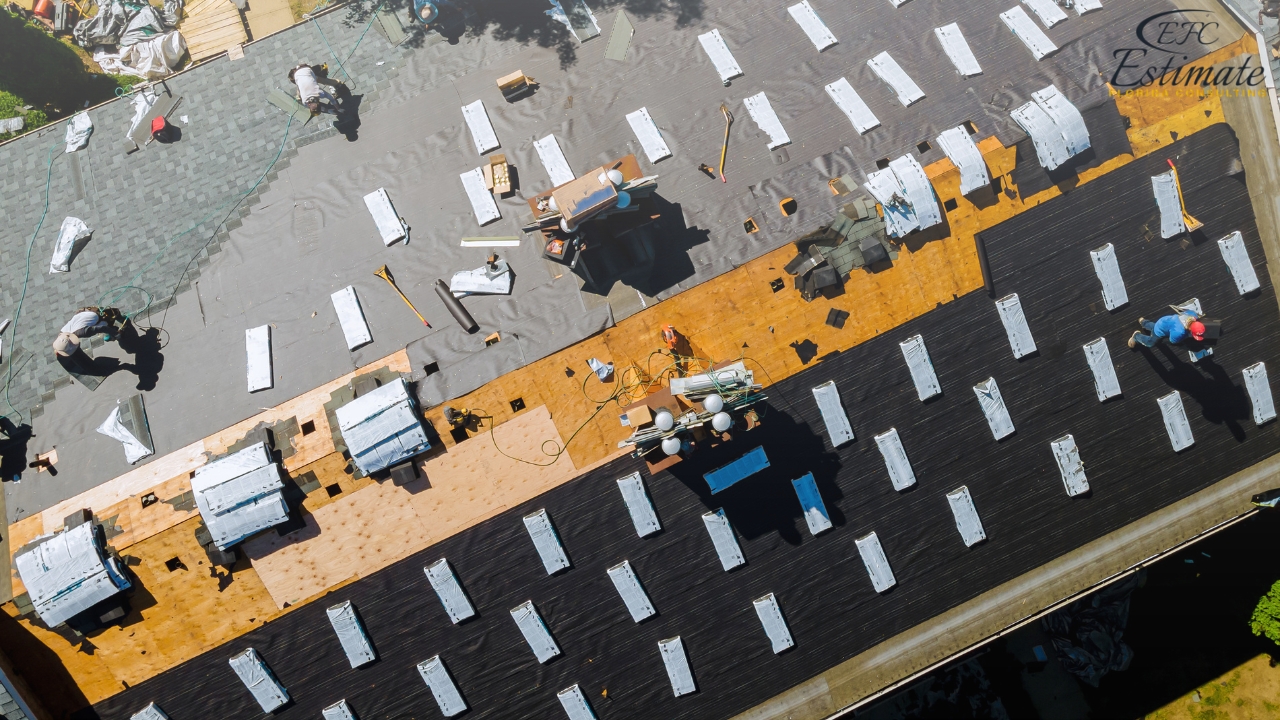
Key Factors That Influence Commercial Roof Costs
Building Size
The size of the roof is one of the most significant factors in determining the overall cost. Larger roofs require more materials and labor, which can drive up the price. For example, a 5,000 square foot roof might cost between $21,000 and $35,000 for TPO roofing, while the same size roof could cost between $35,000 and $52,500 for metal roofing. As the size increases, the total cost rises proportionally.
Material Choice
The type of roofing material you choose plays a critical role in the overall cost and longevity of your roof. Different materials offer varying levels of durability, energy efficiency, and aesthetic appeal. Here are some common commercial roofing materials and their cost ranges:
TPO Roofing: TPO (Thermoplastic Olefin) is a popular choice for commercial roofs due to its affordability and energy efficiency. It typically costs between $4.20 and $7.00 per square foot. For a 5,000 square foot roof, this would translate to a total cost of $21,000 to $35,000.
Metal Roofing: Known for its durability and long lifespan, metal roofing is a more expensive option. It costs between $7.00 and $10.50 per square foot, with a 5,000 square foot metal roof ranging from $35,000 to $52,500.
Built-up Roofing (BUR): BUR is a traditional roofing method that offers multi-layer protection and durability. It typically costs between $5.50 and $9.50 per square foot.
Modified Bitumen: This material is commonly used for flat or low-slope roofs and offers excellent waterproofing. It costs between $6.50 and $13.50 per square foot.
Complexity of the Roof Design
The complexity of your roof design can significantly impact the cost. Roofs with multiple slopes, custom shapes, or special features require more intricate labor and materials, which can increase both the time and cost of the project. For example, a roof with multiple slopes or unique architectural elements will require more labor, leading to higher costs. Additionally, the need for specialized materials or installation techniques can add to the expense.
Climate and Location
The location of your building and the local climate conditions are crucial considerations when selecting roofing materials. In regions with challenging climates, such as Miami, it's essential to choose durable materials that can withstand harsh weather conditions like high winds, heavy rain, and intense sunlight. While these materials may be more expensive upfront, they offer long-term benefits in terms of durability and energy efficiency, which can offset the initial costs.
Estimated Costs for Different Building Sizes
To give you a better idea of what to expect, here are some estimated costs for different building sizes:
5,000 sq ft Building:
TPO Roofing: $21,000 to $35,000
Metal Roofing: $35,000 to $52,500
10,000 sq ft Building:
TPO Roofing: $42,000 to $70,000
Metal Roofing: $70,000 to $105,000
25,000 sq ft Building:
TPO Roofing: $105,000 to $175,000
Metal Roofing: $175,000 to $262,500
These estimates provide a general guideline, but it's important to get a detailed quote from a professional roofing contractor who can assess your specific needs and provide an accurate cost estimate.
Additional Costs to Consider
In addition to the primary factors mentioned above, there are other potential costs to consider when planning a commercial roofing project:
Insulation: Adding insulation to your roof can improve energy efficiency and reduce heating and cooling costs. Insulation typically costs between $2.00 and $5.00 per square foot.
Roof Deck Replacement: If the existing roof deck is damaged or needs to be replaced, this can add between $1.50 and $3.50 per square foot to the total cost.
Roof Coatings: Applying a reflective coating to your roof can extend its lifespan and improve energy efficiency, particularly in hot climates. Roof coatings typically cost between $0.75 and $1.50 per square foot.
The Importance of Proper Planning
Planning your commercial roofing project carefully is essential to avoid unexpected costs and ensure that you stay within your budget. Here are some tips to help you plan effectively:
Consult with a Professional: Engaging a professional roofing contractor early in the planning process can help you make informed decisions about materials, design, and costs. A contractor can provide a detailed quote and timeline for the project, allowing you to budget accordingly.
Consider Long-Term Costs: While it may be tempting to choose the least expensive materials upfront, it's important to consider the long-term costs associated with maintenance, repairs, and energy efficiency. Investing in higher-quality materials may save you money in the long run.
Factor in Climate: If your building is located in a region with extreme weather conditions, such as high winds or heavy snowfall, it's essential to choose materials that can withstand these challenges. This may increase the initial cost, but it will provide better protection and reduce the likelihood of costly repairs in the future.
Conclusion
The cost of a commercial roof can vary widely based on factors such as building size, material choice, roof design complexity, and location. For example, a 5,000 square foot roof might range from $21,000 to $35,000 for TPO roofing or $35,000 to $52,500 for metal roofing. In regions like Miami, where durable materials are essential due to the challenging climate, costs may be higher.
FAQs on Commercial Roof Costs
1. What factors influence the cost of a commercial roof?
The cost of a commercial roof is influenced by several factors, including the size of the building, the type of roofing material used (e.g., TPO, metal, BUR, modified bitumen), the complexity of the roof design (e.g., multiple slopes or custom features), and the location or climate conditions of the building. Additional factors such as insulation, roof deck replacement, and roof coatings can also affect the overall cost.
2. How much does a commercial roof typically cost per square foot?
The cost per square foot for a commercial roof varies depending on the material. Here are some general price ranges:
TPO Roofing: $4.20 to $7.00 per square foot
Metal Roofing: $7.00 to $10.50 per square foot
Built-up Roofing (BUR): $5.50 to $9.50 per square foot
Modified Bitumen: $6.50 to $13.50 per square foot
3. What is the average cost for a 5,000 square foot commercial roof?
For a 5,000 square foot commercial roof:
TPO Roofing: $21,000 to $35,000
Metal Roofing: $35,000 to $52,500
The final price will depend on factors like roof complexity, material choice, and local climate conditions.
4. Why is roofing more expensive in certain locations like Miami?
In locations with challenging climates, such as Miami, roofing costs may be higher due to the need for more durable materials that can withstand extreme weather conditions like high winds, heavy rains, and intense sunlight. These materials often cost more upfront but provide long-term protection and durability, reducing future repair costs.
5. Does roof design complexity affect the overall cost?
Yes, the complexity of the roof design can significantly impact the cost. Roofs with multiple slopes, custom shapes, or special architectural features require more intricate labor and materials, increasing both the time required to complete the project and the overall expenses.
6. How do I budget for a commercial roof replacement?
When budgeting for a commercial roof replacement, start by considering the size of your building and the type of roofing material you want to use. Factor in additional costs for insulation, roof deck repairs, and potential climate-related considerations. It’s also a good idea to consult with a professional roofing contractor who can provide a detailed quote and help you understand the full scope of costs involved.
7. What are the benefits of using TPO roofing for a commercial building?
TPO roofing is a cost-effective and energy-efficient option for commercial buildings. It offers benefits such as UV resistance, heat reflection, and durability. Additionally, TPO roofing is relatively lightweight and easy to install, which helps reduce labor costs. It is ideal for buildings located in areas with significant sun exposure, as it helps reduce cooling costs.
8. How long does a commercial roof last?
The lifespan of a commercial roof depends on the material used, the quality of the installation, and the maintenance provided. For example:
TPO Roofing: 15 to 20 years
Metal Roofing: 40 to 70 years
Built-up Roofing (BUR): 20 to 30 years
Modified Bitumen: 20 to 30 years
Regular maintenance and prompt repairs can help extend the lifespan of your roof.
9. Is metal roofing worth the extra cost?
Yes, metal roofing is worth the extra cost for many commercial building owners due to its durability, low maintenance requirements, and long lifespan. Metal roofs can last 40 to 70 years or more, making them a sound long-term investment. They are also resistant to fire, wind, and weather damage, making them ideal for buildings in harsh climates.
10. What should I consider when choosing a roofing material for my commercial building?
When choosing a roofing material, consider factors such as the building's location and climate, the desired lifespan of the roof, the roof's design complexity, energy efficiency needs, and your overall budget. Durability, maintenance requirements, and aesthetic preferences also play a role in selecting the right material for your commercial roof.
11. Can I save money by choosing a less expensive roofing material?
While choosing a less expensive roofing material can reduce upfront costs, it’s essential to consider long-term factors such as durability, maintenance, and energy efficiency. For example, while TPO roofing may have a lower upfront cost compared to metal roofing, it may not last as long or provide the same level of durability in extreme weather conditions, leading to higher repair and replacement costs over time.
12. How can I ensure my commercial roof lasts as long as possible?
To ensure the longevity of your commercial roof, invest in high-quality materials, have the roof professionally installed, and schedule regular inspections and maintenance. Addressing minor issues early, such as leaks or damaged sections, can prevent more significant problems down the line and extend the lifespan of your roof.


Comments
Post a Comment