How Much Does a Commercial Roof Replacement Cost?
Replacing a commercial roof is a significant investment, and understanding the factors that influence the cost can help you plan your budget effectively. Here’s a comprehensive guide on what to expect when it comes to commercial roof replacement costs.
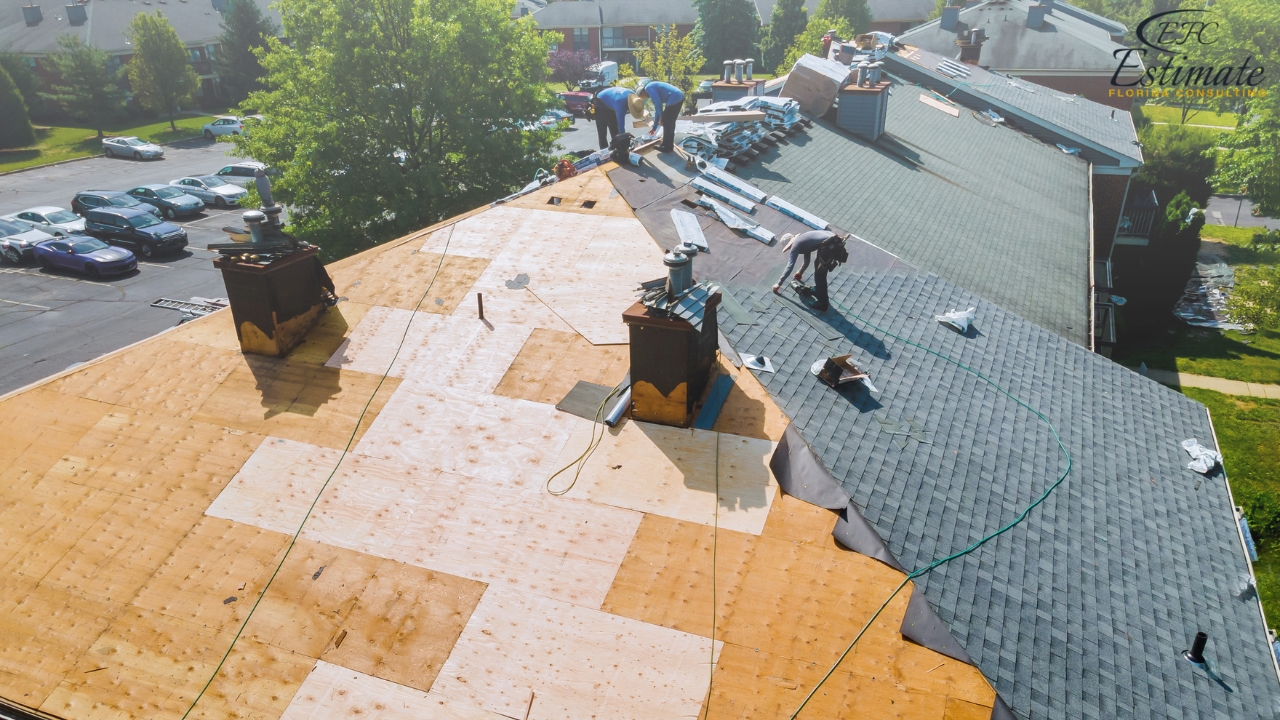
Factors Influencing Commercial Roof Replacement Costs
Size of the Roof: Larger roofs require more materials and labor, increasing overall costs. Costs are typically calculated on a per-square-foot basis.
Materials Chosen: Different roofing materials come with varying price tags:
TPO (Thermoplastic Polyolefin): $3.50 to $9.50 per square foot.
EPDM (Ethylene Propylene Diene Monomer): $3.00 to $12.00 per square foot.
PVC (Polyvinyl Chloride): $5.00 to $13.00 per square foot.
Metal Roofing: $7.00 to $24.00 per square foot.
Complexity of Installation: Roofs with multiple slopes or intricate designs will incur higher labor costs.
Regional Factors: Costs can vary based on regional labor rates, building codes, and climate conditions. For instance, roofing in Miami may be more expensive due to the need for durable, climate-resistant materials.
Existing Roof Condition: Additional costs may arise if the existing roof requires significant repairs or if the underlying structure is damaged.
Average Cost Range
On average, commercial roof replacement costs range from $9.00 to $24.00 per square foot. Here’s a rough breakdown based on roof size:
5,000 Square Feet: $21,000 to $120,000
10,000 Square Feet: $40,000 to $240,000
50,000 Square Feet: $450,000 to $1.2 million
Additional Costs to Consider
Permits: $500 to $2,000
Insulation: $1.50 to $3.50 per square foot
Roof Deck Repairs: $1.00 to $4.00 per square foot
Drainage Systems: $2,500 to $10,000
FAQs About Commercial Roof Replacement Costs
1. What is the average cost to replace a commercial roof?
The average cost to replace a commercial roof ranges from $9.00 to $24.00 per square foot. This price includes both materials and labor. For a more accurate estimate, you should consider factors like the size of the roof, the type of materials used, and the complexity of the installation.
2. How does the choice of roofing material affect the cost?
The type of roofing material significantly impacts the cost. TPO and EPDM are generally more affordable, while PVC and metal roofing tend to be more expensive due to their durability and other benefits. The choice of material should be based on the specific needs of your building and budget considerations.
3. Why do costs vary based on the complexity of the roof design?
Complex roof designs with multiple slopes, valleys, or special features require more labor and precise installation, which increases costs. Simpler, flat roofs are generally less expensive to replace.
4. How do regional factors influence commercial roof replacement costs?
Regional factors such as local labor rates, building codes, and climate conditions can affect the cost. In areas with harsh weather conditions, like Miami, roofing materials that can withstand extreme weather may be more expensive.
5. Are there additional costs beyond the basic replacement?
Yes, additional costs can include permits, insulation, roof deck repairs, and drainage system installations. These costs should be factored into your budget to ensure a comprehensive estimate for your project.
6. How can I get an accurate estimate for my commercial roof replacement?
To get an accurate estimate, contact a reputable roofing contractor who can assess your specific needs, evaluate the condition of your existing roof, and provide a detailed quote based on the size, material, and complexity of the replacement.
7. What should I consider when choosing a roofing material?
When selecting roofing material, consider factors such as durability, energy efficiency, cost, and the specific needs of your building. Each material has its own advantages and may be better suited for different environments and building types.
8. How long does a commercial roof replacement typically take?
The duration of a commercial roof replacement project depends on the size of the roof, the complexity of the design, and weather conditions. On average, the process can take from a few days to several weeks.


Comments
Post a Comment